Key takeaways
- Ibogaine does not act on 1 target. It binds to at least 7 receptor and transporter systems at once, including opioid, NMDA, serotonin, dopamine and nicotinic sites, which is why it does things no single-target drug does.
- The liver converts it to noribogaine, a metabolite that stays in the body for days. Most of the lasting effect on withdrawal and craving is thought to come from noribogaine, not from the 24 hours of the session itself.
- The same broad activity reaches the heart: ibogaine blocks a potassium channel (hERG) that the heart uses to reset between beats. That is the mechanism behind the deaths, and the reason screening starts with an EKG.
Clinics describe ibogaine as a “reset”. Families want to know what that word is hiding. This article sets out what is known about how ibogaine acts on the brain, what is only shown in animals, what is still a guess, and why the same pharmacology that reduces withdrawal is the pharmacology that has to be watched on a monitor.
7 targets in 1 molecule
Most medicines used in addiction act on 1 system. Methadone and buprenorphine act on the mu opioid receptor. Naltrexone blocks it. Ibogaine is different in kind: a 2023 review in the Journal of Psychopharmacology lists the targets that ibogaine and its metabolite noribogaine bind to at doses relevant to treatment. The main ones:
| Target | What ibogaine or noribogaine does there | Why it might matter for dependence |
|---|---|---|
| NMDA glutamate receptor | Blocks the channel | NMDA blockade is linked to reduced tolerance and withdrawal in animal models |
| Kappa opioid receptor | Noribogaine acts as a biased agonist | Kappa activity is tied to mood, stress and the “anti-reward” state of withdrawal |
| Mu opioid receptor | Binds to an agonist site on the receptor | The receptor that opioids act on; the interaction is not a simple agonist effect and is still debated |
| Serotonin transporter | Inhibits reuptake | Overlaps with how SSRI antidepressants work; may explain mood effects |
| Dopamine transporter | Alters transporter function | Dopamine signalling underlies craving and reward |
| Sigma-2 receptor | Binds selectively | Role unclear; sigma-2 is involved in cell stress responses |
| Nicotinic α3β4 receptor | Blocks the receptor | α3β4 blockade reduces drug self-administration in animals |
No single line in that table explains the clinical effect. The working theory is that the combination does: withdrawal is dampened through the opioid and NMDA sites, craving and mood through the monoamine and kappa sites. It is a theory, and the review that lists the targets says so.
Noribogaine: the part that lasts
Ibogaine itself is cleared within a day or so. In the liver, the enzyme CYP2D6 removes 1 methyl group from it and produces noribogaine, which is active at most of the same targets and is eliminated slowly, over days. That timing fits what clinics observe: the intense subjective experience lasts roughly 24 to 36 hours, while the reduction in withdrawal and craving continues after it, into the days and weeks when noribogaine is still present and ibogaine is not.
2 practical consequences follow. First, people differ in how active their CYP2D6 is, and some common medicines inhibit it, which changes how much noribogaine is made and how long ibogaine stays in the blood. That is 1 of the reasons the medication list is gone through line by line before anyone is dosed. Second, the days after the session are not “recovery time” in the ordinary sense: the medicine is still working, the heart is still exposed, and a morning EKG on each of those days is part of the medicine, not an extra.
What happens to withdrawal, measured
The clearest human data is on opioid withdrawal. In the largest published inpatient series, 102 opioid-dependent people received 1 oral dose of ibogaine hydrochloride at 8 to 12 mg per kilogram. Physician-rated withdrawal scores fell significantly from baseline to 36 hours after dosing across all dose levels, and craving scores were lower at discharge and again at 1 month. In the same series, depression scores in the opioid group fell from 16.5 before treatment to 4.5 at 1 month. That is a real effect on a real scale, in a series with no control group, and it says nothing about month 6.
The “reset” claim, and what it rests on
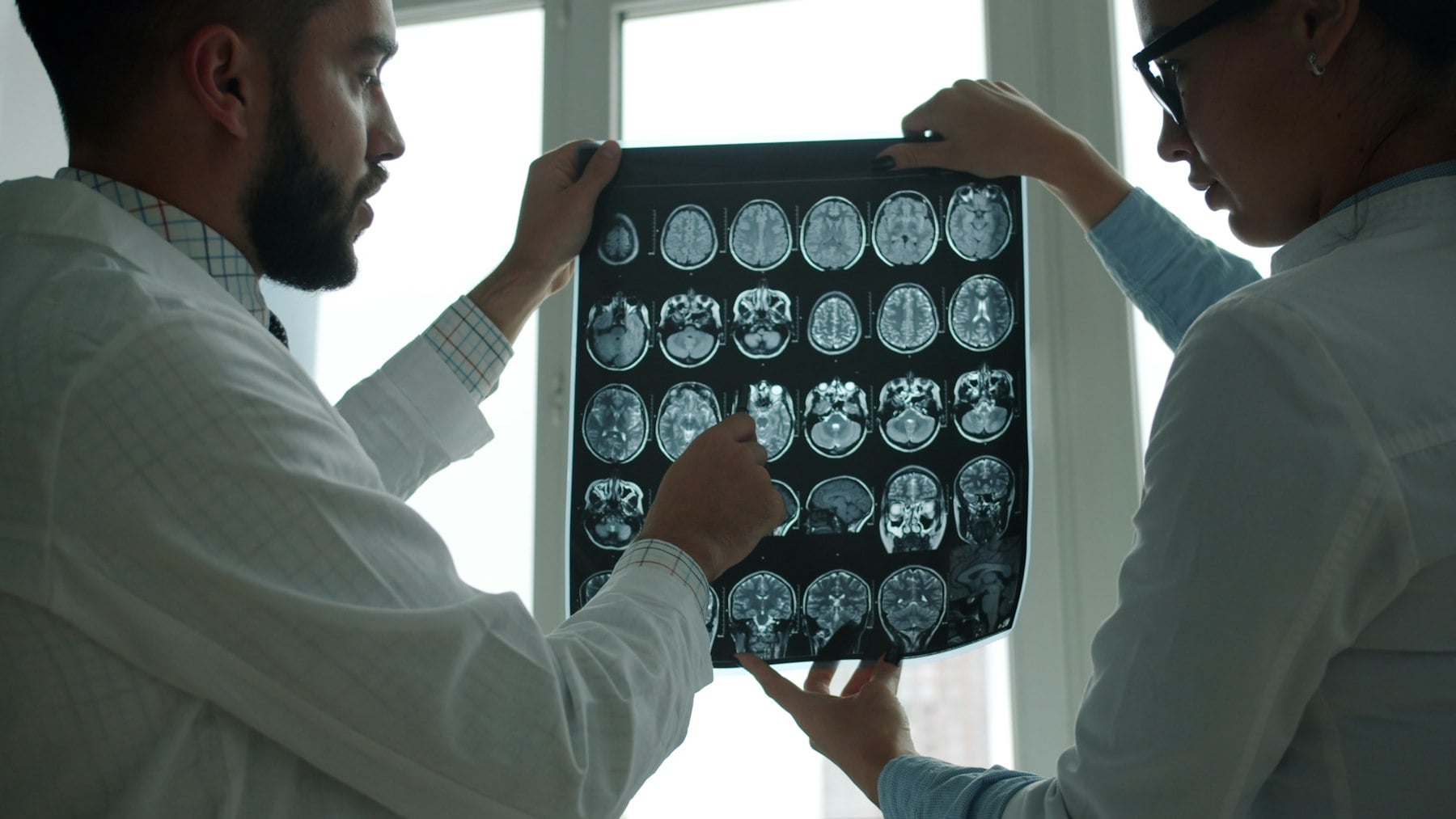
The word “reset” usually points at 1 finding. In 2005, a group at the University of California, San Francisco showed that ibogaine increases the expression of GDNF, a growth factor that supports dopamine neurons, in the ventral tegmental area of rats, and that blocking GDNF removed ibogaine’s effect on the rats’ alcohol drinking. Later work from the same group suggested that GDNF induces more of its own expression, which could explain why a single dose has effects that outlast the drug.
Those are careful, well-cited experiments. They are also rat experiments. Nobody has measured GDNF in a living human brain after ibogaine, and no human imaging study has shown “rewiring”. The accurate version of the claim is: ibogaine changes the activity of at least 7 systems at once, one of its metabolites keeps doing so for days, and in animals it switches on a growth factor tied to dopamine neurons. That is enough to explain why people feel and behave differently for a period. It is not enough to promise that the difference lasts, which is why we do not.
What this means for the heart. Ibogaine and noribogaine block hERG, the potassium channel that lets heart muscle cells reset their electrical charge after each beat. Blocking it lengthens the QT interval on the EKG, and a long QT can tip into a fatal rhythm called torsades de pointes. The effect is dose-related and worse when potassium or magnesium is low, when other QT-prolonging drugs are on board, or when the heart is already diseased. That is the entire logic of screening: a 12-lead EKG read by a cardiologist, potassium and magnesium thresholds, a medication review, and a monitor that stays on through the session and the night after.
Brain injury and PTSD: the Stanford veterans study
In 2024, researchers at Stanford published a study of 30 US special operations veterans with traumatic brain injuries who were treated with ibogaine plus magnesium at a clinic in Mexico. 1 month after treatment, their average disability rating had fallen from 30.2 to 5.1, PTSD symptoms were down 88%, depression 87% and anxiety 81%, with improvements on tests of concentration, memory and impulsivity. No cardiac events occurred, which the authors attribute partly to the magnesium and the screening. It was open-label with no control group, and it is the study that persuaded the State of Texas to fund $50 million of clinical trials. It suggests the drug does something to injured brains worth studying properly. It does not tell anyone what, or for how long.
What nobody knows yet
- Which of the 7 targets matters most for humans, and whether a safer molecule could keep the useful ones and drop the hERG effect. Drug companies are working on modified molecules that try to do exactly that.
- How long the changes last, and in whom. There is no controlled trial with follow-up beyond 12 months.
- What the subjective experience contributes. The 24-hour “waking dream” is vivid for most people; whether it is part of the treatment or a side effect of it has never been separated in a study.
- Whether repeat dosing adds anything, or only adds cardiac exposure.
Questions people ask
Is ibogaine a psychedelic like psilocybin?
It is psychoactive and it is usually grouped with psychedelics, but its pharmacology is different. Psilocybin acts mainly on the serotonin 2A receptor; ibogaine’s strongest actions are at NMDA, opioid and transporter sites, and its cardiac effect has no equivalent in psilocybin. Treating it as “a psychedelic” leads people to underestimate the medical side.
Does it damage the brain?
Doses far above the clinical range caused damage to cerebellar cells in early rat studies. Doses in the clinical range have not shown that, and the Stanford study reported cognitive improvement rather than decline at 1 month. The known danger of ibogaine is to the heart, not the brain.
Will I remember the session?
Most people remember it in detail, often as a long sequence of memories and images. People are unsteady for a day or more afterwards, which is why nobody walks unassisted on day 3, and why the day after is a monitoring day rather than a discharge day.
Sources
- Ona G, Reverte I, Rossi GN, et al. Main targets of ibogaine and noribogaine associated with its putative anti-addictive effects: a mechanistic overview. Journal of Psychopharmacology. 2023. Abstract.
- Mash DC, Duque L, Page B, Allen-Ferdinand K. Ibogaine detoxification transitions opioid and cocaine abusers between dependence and abstinence: clinical observations and treatment outcomes. Frontiers in Pharmacology. 2018;9:529. Full text.
- He DY, McGough NN, Ravindranathan A, et al. Glial cell line-derived neurotrophic factor mediates the desirable actions of the anti-addiction drug ibogaine against alcohol consumption. Journal of Neuroscience. 2005;25(3):619-628. Full text.
- Koenig X, Hilber K. The anti-addiction drug ibogaine and the heart: a delicate relation. Molecules. 2015;20(2):2208-2228. Full text.
- Koenig X, Kovar M, Rubi L, et al. Anti-addiction drug ibogaine inhibits hERG channels: a cardiac arrhythmia risk. Addiction Biology. 2014;19(2):237-239. PubMed.
- Cherian KN, Keynan JN, Anker L, et al. Magnesium-ibogaine therapy in veterans with traumatic brain injuries. Nature Medicine. 2024;30:373-381. Full text.
This article is information, not medical advice. Ibogaine is not approved by the FDA and carries cardiac risk. Whether it is an option for you is decided by a physician after an EKG and blood tests, never by an article. If you or someone else is in danger now, call your local emergency number.