
Key takeaways
- Ibogaine treatment is used, above all, to interrupt opioid dependence: 1 supervised dose has been shown to cut withdrawal scores within 36 hours in the largest published inpatient series (191 people).
- It is also used for alcohol and stimulant dependence, and is being studied for PTSD and traumatic brain injury, with far less evidence behind those uses.
- It is not a cure, it is not approved by the FDA, and it carries a cardiac risk that rules some people out before they ever travel. A physician decides who is a candidate, not an article.
Most people who search this question are not curious. Someone they love is dependent on fentanyl, heroin, methadone, alcohol or a stimulant, the usual routes have not held, and a friend or a forum has mentioned ibogaine. This article answers the question plainly: what ibogaine treatment is used for, what the published studies show, what it is not for, and who is turned away.
What ibogaine treatment is used for
Ibogaine is a naturally occurring alkaloid from the root bark of Tabernanthe iboga, a shrub from West Central Africa. Its use in addiction medicine started with an accident: in 1962, Howard Lotsof, a 19-year-old heroin user in New York, took it for its psychoactive effect and noticed afterwards that he had no withdrawal symptoms and no urge to use. That observation, later documented in the medical literature, is the reason clinics exist today.
In practice, ibogaine treatment is used for 4 things, and the evidence behind each is different:
- Opioid dependence. This is the main use and the one with the most data. A single supervised dose reduces the acute withdrawal that stops most people from getting through a detox, and reduces craving for a period afterwards.
- Alcohol dependence. Used in clinics, supported mostly by animal studies and clinical observation rather than trials. Alcohol withdrawal itself can be dangerous, so a medically supervised detox has to happen before ibogaine, not instead of it.
- Cocaine and methamphetamine dependence. The same inpatient series that measured opioid withdrawal also followed 89 people dependent on cocaine and reported reduced craving at 1 month. There is no withdrawal syndrome to shorten with stimulants, so the aim is craving and the decision to stop.
- PTSD and traumatic brain injury. A 2024 Stanford study followed 30 US special operations veterans treated with ibogaine plus magnesium at a clinic in Mexico and reported large improvements in PTSD, depression and disability scores at 1 month. It was small and had no control group, and it is the reason the State of Texas has funded $50 million of clinical trials. It is research, not an established treatment.
What the studies show, in numbers
There is no large randomised trial of ibogaine. What exists is observational: clinics that measured what happened to the people they treated. 3 studies are cited most, and they are worth knowing before you speak to any clinic, including ours.
| Study | Who | What it found | What it did not show |
|---|---|---|---|
| Mash and colleagues, 2018 | 191 inpatients in Saint Kitts: 102 opioid-dependent, 89 cocaine-dependent, 1 oral dose of 8 to 12 mg/kg | Physician-rated opioid withdrawal scores fell from baseline to 36 hours after dosing. Craving fell at discharge and at 1 month. No serious adverse events in the series. | Anything past 1 month. No comparison group. |
| Brown and Alper, 2018 | 30 people with opioid dependence, followed for 12 months | At 1 month, 15 of 30 (50%) reported no opioid use in the previous 30 days. Improvement in drug-use scores was reported as sustained from 3 to 12 months. | How many were still abstinent at 12 months. No control group. |
| Cherian and colleagues, 2024 (Stanford) | 30 veterans with traumatic brain injury, ibogaine plus magnesium, treated in Mexico | Disability rating fell from 30.2 to 5.1 at 1 month. PTSD symptoms down 88%, depression 87%, anxiety 81% on average. No cardiac events. | Durability past 1 month. Open-label, no control group. |
Read the 4th column as carefully as the 3rd. Every one of these studies measured a real effect and none of them can tell you the odds for one person a year later. That is why we publish no success rate, and why a clinic that quotes one should be asked where the number came from.
What ibogaine treatment is not for
4 things people hope ibogaine will do that it does not do:
- It does not cure addiction. It interrupts withdrawal and dampens craving for a period. What happens in the 90 days after is what decides the year, which is why days 5 and 6 of our program are spent planning them with a psychiatrist.
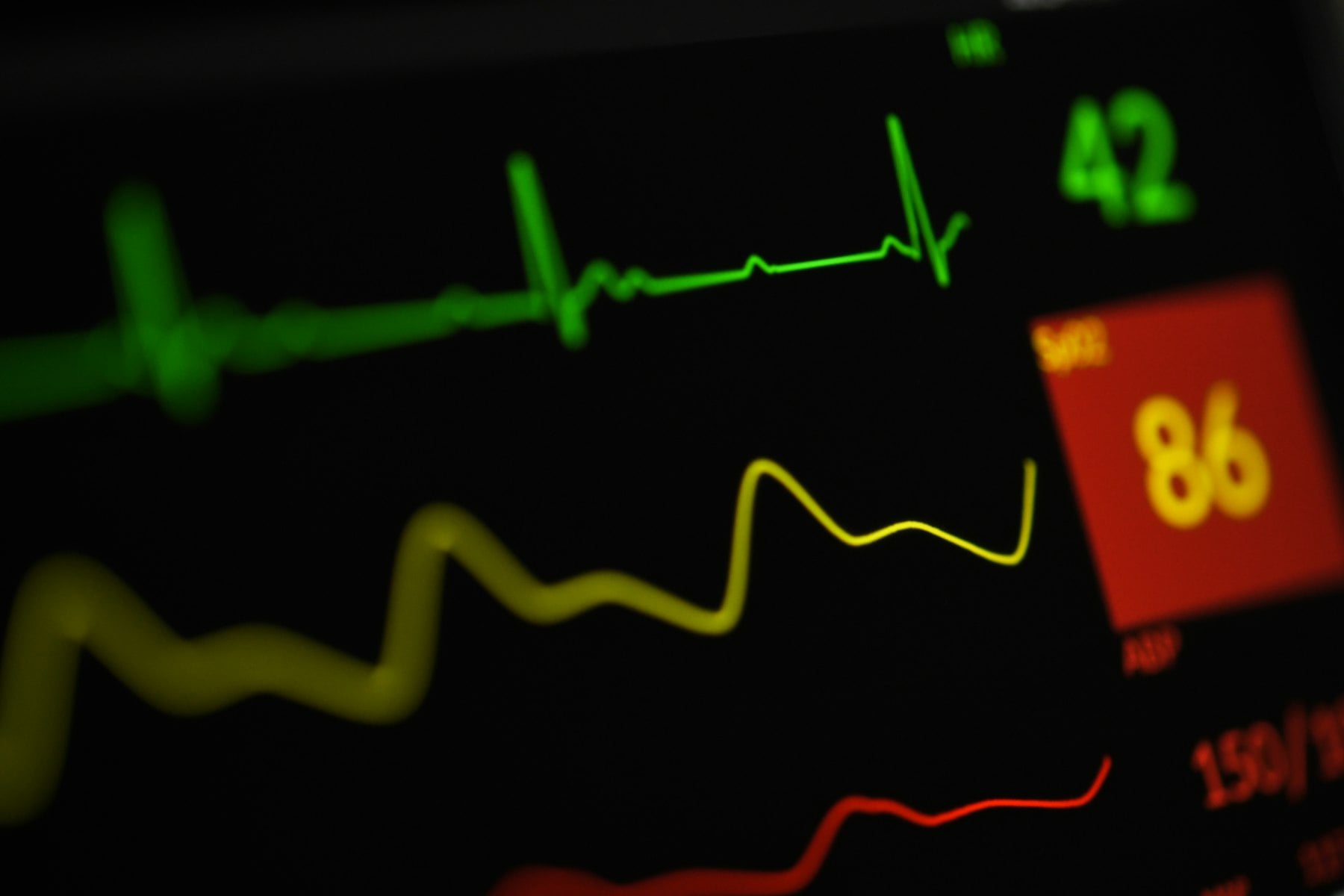
- It does not work as a take-home medicine. Ibogaine slows the heart’s electrical recovery between beats and prolongs the QT interval, which can trigger a fatal arrhythmia. A 2012 review of 19 deaths found that most had pre-existing heart disease, other drugs on board or withdrawal seizures, and most were dosed without cardiac monitoring.
- It does not replace a medical detox from alcohol or benzodiazepines. Those withdrawals can cause seizures. They are managed first, by physicians, and ibogaine comes after.
- It does not fix a bad plan. Going home to the same supply, with no prescriber informed and no follow-up, produces the relapses that get blamed on the medicine.
What this means for screening. Because the risk is cardiac, the first thing any serious clinic asks for is a 12-lead EKG and 3 blood tests (potassium, magnesium and a liver panel), read by a cardiologist against written thresholds. A long QT, low potassium or magnesium, a heart condition, or a medication that also prolongs QT is a no or a not yet. Have the person’s full medication list ready for the first call, including anything bought without a prescription.
Who is declined, and why that is the point
At a physician-led clinic, screening produces 3 possible answers: yes, not yet, or no. A “not yet” usually means a medication washout has to finish (methadone and Suboxone are the common ones, and they take weeks, not days) or a lab value has to be corrected. A “no” is given for a heart that cannot take the drug, a psychiatric history that makes an intense 24-hour experience unsafe, or a dependence that needs a hospital detox first. At our clinic, screening costs nothing and nothing is billed until a physician has said yes in writing. The full list of what rules people out is on the what we treat page.
Where it is legal, and where it is done
Ibogaine is a Schedule I substance in the United States, so it cannot be prescribed, possessed or administered there outside research. In Mexico it is not a scheduled substance, and it is administered in licensed medical facilities, which is why most people from the US and Canada are treated there. The Texas trials funded in 2025 under Senate Bill 2308, led by UTHealth Houston, are the first state-backed attempt to move it through the FDA process; they are expected to take years, and they do not change what is legal today.
Questions people ask
Does ibogaine work for fentanyl?
The published series predate the fentanyl era, so nobody has fentanyl-specific outcome data. Clinically, fentanyl and its analogues are treated as opioid dependence with a longer stabilisation period, because they leave the body slowly and unevenly. The screening and the washout are set for the drug being used, not for “opioids” in general.
Is 1 dose enough?
The studies above used 1 supervised dose. Whether that is “enough” depends on what you are measuring: it was enough to reduce withdrawal in most people within 36 hours, and it was not enough to keep everyone abstinent at 12 months. Repeat dosing is not part of a 7-day program and is not something we offer on request.
Can it be used for depression on its own?
Depression scores fell in both the Saint Kitts series and the Stanford study, but in both cases the people treated had a dependence or a brain injury. Using ibogaine for depression alone is not something the evidence supports, and it is not something we screen for.
Sources
- Mash DC, Duque L, Page B, Allen-Ferdinand K. Ibogaine detoxification transitions opioid and cocaine abusers between dependence and abstinence: clinical observations and treatment outcomes. Frontiers in Pharmacology. 2018;9:529. Full text.
- Brown TK, Alper K. Treatment of opioid use disorder with ibogaine: detoxification and drug use outcomes. American Journal of Drug and Alcohol Abuse. 2018;44(1):24-36. PubMed.
- Cherian KN, Keynan JN, Anker L, et al. Magnesium-ibogaine therapy in veterans with traumatic brain injuries. Nature Medicine. 2024;30:373-381. Full text. Summary: Stanford Medicine.
- Alper KR, Stajić M, Gill JR. Fatalities temporally associated with the ingestion of ibogaine. Journal of Forensic Sciences. 2012;57(2):398-412. PubMed.
- Koenig X, Hilber K. The anti-addiction drug ibogaine and the heart: a delicate relation. Molecules. 2015;20(2):2208-2228. Full text.
- Texas Tribune. Texas to conduct its own ibogaine clinical trials. 31 March 2026. Article.
This article is information, not medical advice. Ibogaine is not approved by the FDA and carries cardiac risk. Whether it is an option for you is decided by a physician after an EKG and blood tests, never by an article. If you or someone else is in danger now, call your local emergency number.