Key takeaways
- Ibogaine comes from the root bark of Tabernanthe iboga, a shrub of the West Central African forest, where it has been used in Bwiti ceremonies for generations. That is the plant everyone means.
- Most clinical ibogaine today does not come from iboga at all. It is made from voacangine, an alkaloid in the root bark of Voacanga africana, converted to ibogaine in a laboratory.
- A medical clinic does not dose root bark. It doses purified ibogaine hydrochloride by body weight, because the alkaloid content of bark varies and the cardiac risk does not forgive guesswork.
People ask this for 2 reasons. Some want to understand what the medicine is before they let a family member take it. Others have seen “iboga root bark” for sale online and are wondering whether the plant is a cheaper route to the same result. This article answers both: which plants contain ibogaine, which one the medicine is made from, and why a clinic uses a purified compound rather than a plant.
Tabernanthe iboga: the plant everyone means
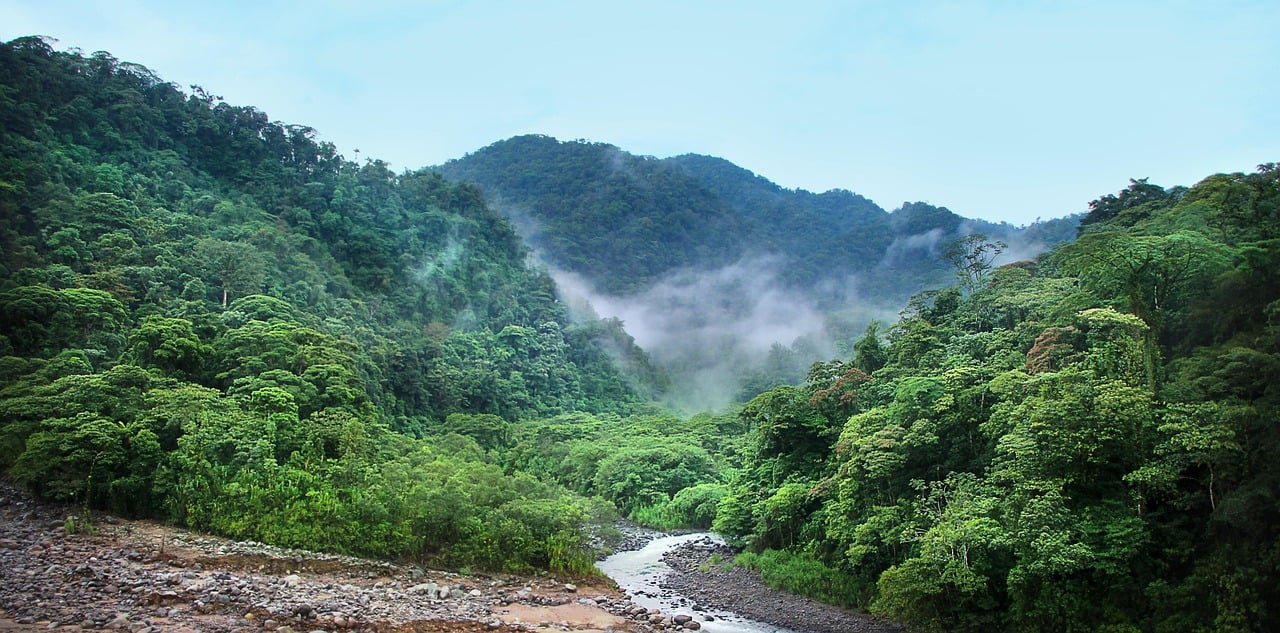
Tabernanthe iboga is a shrub in the Apocynaceae family that grows in the understory of the forests of Gabon, Cameroon, the Republic of the Congo and neighbouring countries. It reaches roughly 1.5 to 2 metres, with small yellow-white flowers and orange fruit. The part that matters is underground: ibogaine is concentrated in the bark of the root, alongside a group of related alkaloids (ibogamine, ibogaline and tabernanthine among them) that together are called the iboga alkaloids.
In Gabon, the root bark is the sacrament of Bwiti, a religious tradition in which large doses are taken during initiation ceremonies that last through the night. The Western medical story is much shorter: the alkaloid was isolated in 1901, its effect on opioid withdrawal was noticed in 1962 by Howard Lotsof, and the first clinical case series followed decades later.
2 facts about the plant shape everything a clinic does with it:
- The alkaloid content of bark varies with the age of the plant, the part of the root, the season and the drying. 2 pieces of bark of the same weight can carry different doses. A physician dosing by milligrams per kilogram of body weight cannot work from a material like that.
- Wild iboga is under pressure. The plant grows slowly, demand has risen, and harvesting the root bark often kills it. That pressure is the main reason the pharmaceutical supply moved to a different plant.
Voacanga africana: the plant most medical ibogaine comes from
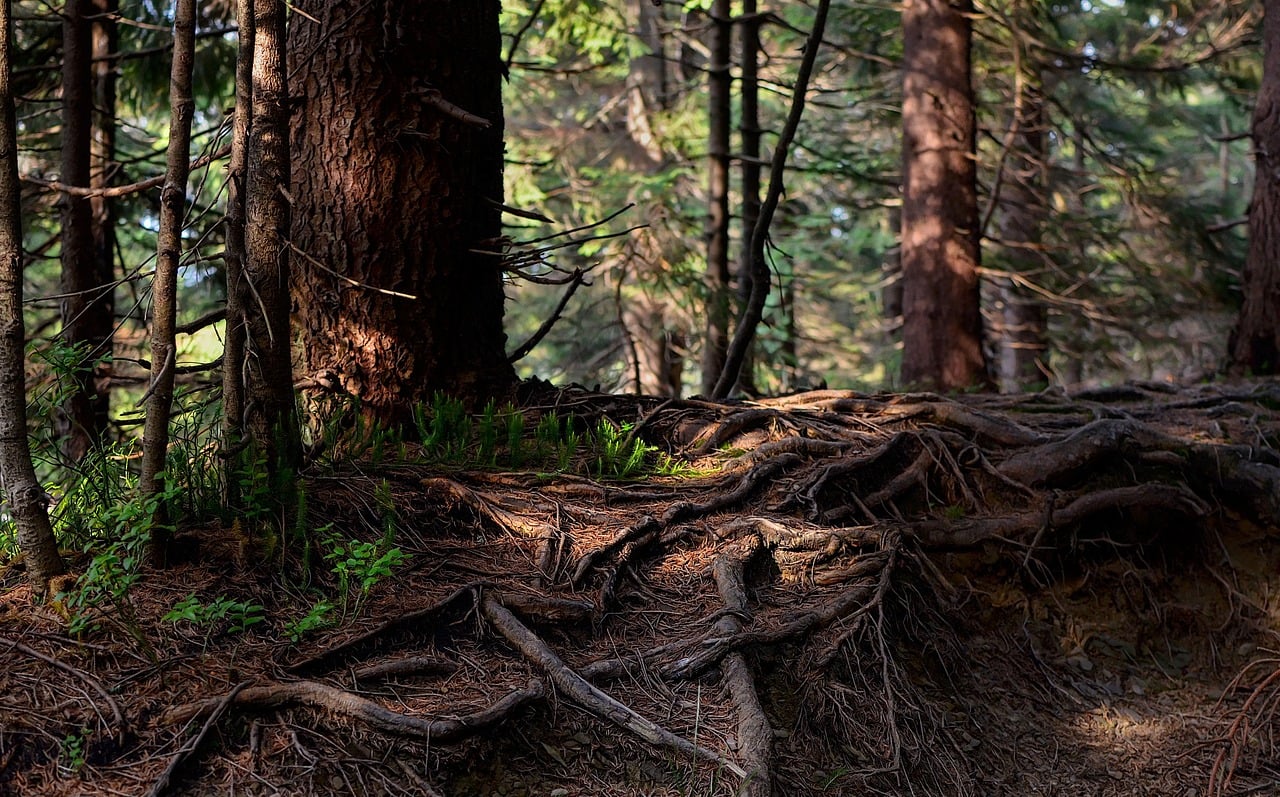
Voacanga africana is a larger, faster-growing tree from the same family, cultivated across West Africa. Its root bark does not contain much ibogaine. What it contains is voacangine, a closely related alkaloid with the same core structure plus 1 extra chemical group. Remove that group in a laboratory and the result is ibogaine, chemically identical to the molecule in iboga root bark. The conversion has been known since a 1957 patent, and a 2021 paper in ACS Omega set out an optimised procedure for obtaining voacangine from Voacanga africana root bark for exactly this purpose.
This is called semi-synthetic ibogaine: the starting material is a plant, the finishing steps are chemistry. Most ibogaine hydrochloride used in clinics is made this way. It has 3 advantages over bark: a known purity, a supply that does not depend on wild harvesting, and a product that can be tested batch by batch. It has no pharmacological disadvantage, because the molecule is the same.
Other plants with iboga-type alkaloids
The iboga alkaloids are not unique to 2 species. Members of the genus Tabernaemontana, ornamental shrubs grown across the tropics, contain voacangine, coronaridine and related compounds in their root bark, and Tabernaemontana species are used in traditional medicine in parts of South America and Africa. Trace amounts have been reported in other Apocynaceae. None of these is a practical source: the concentrations are low, the alkaloid mix is different, and nobody has studied them clinically. If a product claims to be ibogaine from a plant other than iboga or Voacanga, ask for a certificate of analysis before believing it.
Iboga is not ibogaine, and the difference is a medical one. “Iboga” is the plant, or dried root bark, or a total alkaloid extract of the bark. “Ibogaine” is 1 purified compound from it. Bark and total extracts deliver an unknown dose of ibogaine plus a mix of other alkaloids that have their own effects on the heart. In the 2012 forensic review of 19 deaths, most people had been dosed without cardiac monitoring, and in some cases the product taken was bark or extract of unknown strength. A clinic that doses by body weight needs to know the milligrams it is giving; only a purified compound allows that.
What a medical clinic uses
At Ibogaine Treatment MX the medicine is purified ibogaine hydrochloride, at a dose the physician sets by body weight, not root bark and not a total extract. The reason is the heart. Ibogaine prolongs the QT interval, and the effect is dose-related, so the dose has to be known to the milligram and the person has to be on a continuous ECG from before the first dose until the physician says otherwise. That is not possible with a material whose strength is a guess. It is also why the hydrochloride is given in 1 session, with a cardiologist and an emergency physician in the room, rather than in the repeated doses of a ceremony. The program page shows how that session sits inside the 7 days.
Questions people ask
Can I buy iboga root bark online and do this at home?
Root bark is sold online, and people have died using it. Ibogaine is a Schedule I substance in the United States, so possessing the bark or the compound there is illegal, and the cardiac risk does not depend on legality: it depends on the dose, the heart it is going into, and whether anyone is watching a monitor. We do not sell or ship anything, and we screen out anyone we cannot monitor.
Is semi-synthetic ibogaine weaker or less “natural”?
No. Ibogaine made from voacangine is the same molecule as ibogaine from iboga bark. What differs is purity and consistency, both of which favour the semi-synthetic route. “Natural” is not a safety category in cardiology.
Does the clinic use anything from the Bwiti tradition?
No. We are a medical facility and we treat a medical condition. We respect that the plant has a religious use in Gabon, and we do not imitate it. What we take from that tradition is the knowledge that this substance has to be treated with care.
Sources
- Alper KR. Ibogaine: a review. The Alkaloids: Chemistry and Biology. 2001;56:1-38. PubMed.
- Jenks CW. Extraction studies of Tabernanthe iboga and Voacanga africana. Natural Product Letters. 2002;16(1):71-76. PubMed.
- Efficient access to the iboga skeleton: optimized procedure to obtain voacangine from Voacanga africana root bark. ACS Omega. 2021. Full text.
- Alper KR, Stajić M, Gill JR. Fatalities temporally associated with the ingestion of ibogaine. Journal of Forensic Sciences. 2012;57(2):398-412. PubMed.
- Koenig X, Hilber K. The anti-addiction drug ibogaine and the heart: a delicate relation. Molecules. 2015;20(2):2208-2228. Full text.
This article is information, not medical advice. Ibogaine is not approved by the FDA and carries cardiac risk. Whether it is an option for you is decided by a physician after an EKG and blood tests, never by an article. If you or someone else is in danger now, call your local emergency number.